
Why Is My Turf Dry in Some Spots and Wet in Others?
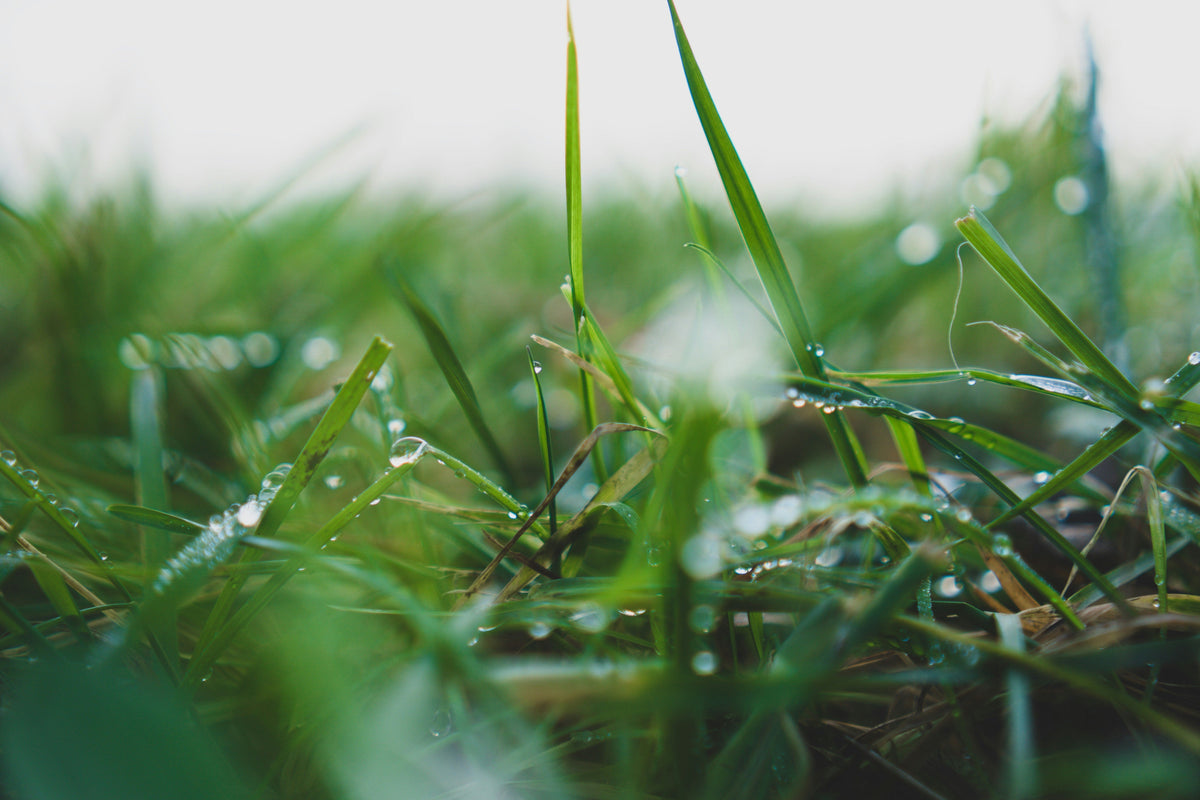
Few things are more frustrating than walking a field and feeling two completely different conditions under your feet.
One step feels firm and hydrated.
Three steps later, the ground is dusty.
Another five steps, and you’re in something soft enough to leave a footprint.
If your irrigation system is working properly, how can the surface be so inconsistent?
Uneven moisture is one of the most common turf management complaints. The cause is rarely just “bad sprinklers.” It’s usually a combination of distribution, soil behavior, traffic patterns, and microclimate.
Let’s unpack it.
Distribution Uniformity Isn’t Always Uniform
Sprinkler systems are designed for head-to-head coverage, meaning each sprinkler throws water to the next one. On paper, that creates overlap and even application.
In reality, things shift.
Nozzles wear.
Pressure fluctuates.
Heads tilt.
Arcs get bumped out of alignment.
Even small mechanical issues can create dry bands or overwatered pockets. A clogged nozzle on one head can cause a dry streak that runs the entire length of its throw radius.
Wind adds another layer. A breezy afternoon can distort spray patterns enough to change where water actually lands.
A system may technically “turn on,” but that doesn’t guarantee even coverage.
Soil Variability Within the Same Property
Many fields and landscapes are not built with perfectly consistent soil.
Construction activity often blends native material with imported fill. Topsoil depth may vary dramatically across short distances. Some areas may contain more sand. Others may contain heavier subsoil closer to the surface.
Water behaves differently in each of these zones.
Areas with coarser material may drain quickly and feel dry sooner. Heavier sections may retain water longer and stay soft.
From above, everything looks uniform. Below the surface, it may be a patchwork.
Compaction Creates Hidden Barriers
Foot traffic or maintenance equipment can compress soil over time.
Compacted zones restrict water movement. Instead of percolating evenly downward, water may sit near the surface or move laterally. That can create saturated areas next to dry ones.
High-wear locations often display inconsistent moisture because the soil structure has changed after repeated heavy use.
Water can’t soak in normally when the soil's pore space is reduced.
Shade and Sunlight Shift Demand
Sun exposure plays a major role in how quickly turf dries.
South-facing slopes or open areas exposed to full sun will lose moisture faster than shaded sections tucked behind structures or tree lines.
If both zones receive the same irrigation volume, the sunny area may still look stressed while shaded turf remains damp longer.
This contrast becomes especially noticeable during seasonal transitions when sun angles shift.
Microclimates matter more than many people realize.
Slope Influences Movement
Gravity does not negotiate.
On sloped terrain, water may travel laterally before it infiltrates the soil. Even well-calibrated systems may struggle if application rates exceed what the soil can absorb on an incline.
You might see:
- Dry upper sections
- Moist lower edges
- Visible runoff paths
Breaking irrigation into shorter intervals can sometimes help, but identifying the slope-related pattern is the first step.
Thatch and Organic Layer Build-Up
An excessive thatch layer can act like a sponge sitting on top of soil.
It absorbs water quickly but may not release it evenly into the soil beneath. Some areas may stay damp at the surface while deeper layers remain dry.
Inconsistent thatch thickness across a field can create moisture variability even if irrigation delivery is technically even.
Regular aeration and organic matter management influence how water moves downward.
Root Density Differences
Turf is not always uniform in its rooting strength.
Heavily trafficked sections often have thinner stands with reduced root mass. Less root density means less ability to pull water from deeper layers.
Meanwhile, healthier sections may be drawing moisture more efficiently.
The result can look like a watering issue when it’s actually a plant vigor difference.
How to Diagnose the Pattern
Before adjusting the controller, gather information.
- Perform a catch-can test to confirm distribution patterns.
- Probe multiple locations to compare moisture at depth.
- Observe sun exposure differences during the day.
- Identify traffic-heavy zones.
- Check sprinkler alignment and pressure.
Patterns tell stories. Random dry spots are rare. Most follow logic once you start mapping them.
The Big Takeaway
When turf is wet in some spots and dry in others, it’s tempting to simply increase runtime across the board.
That often amplifies the imbalance instead of solving it.
Uneven moisture usually points to:
- Mechanical inconsistencies
- Soil variation
- Compaction
- Environmental differences
Addressing the underlying cause produces far better results than turning the dial up.
Healthy, consistent turf is rarely accidental. It’s the product of understanding how water moves, how soil behaves, and how the environment shapes both.
Once you see the patterns, the solution becomes much more straightforward.